
Introduction
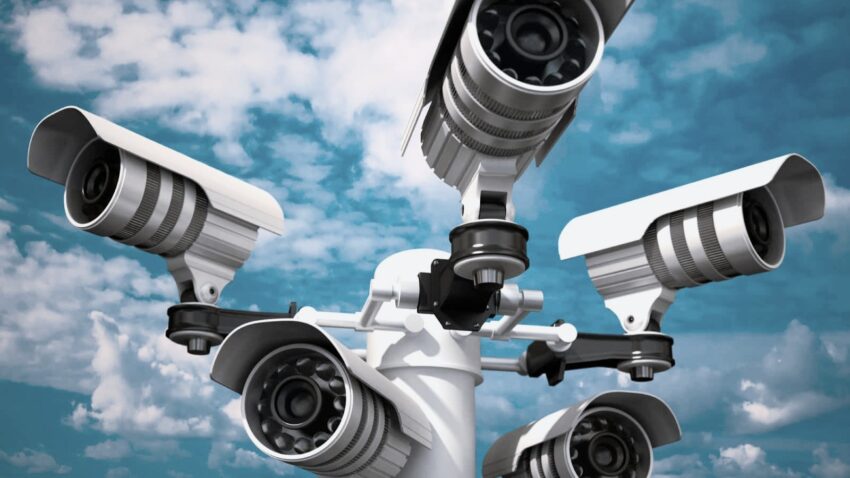
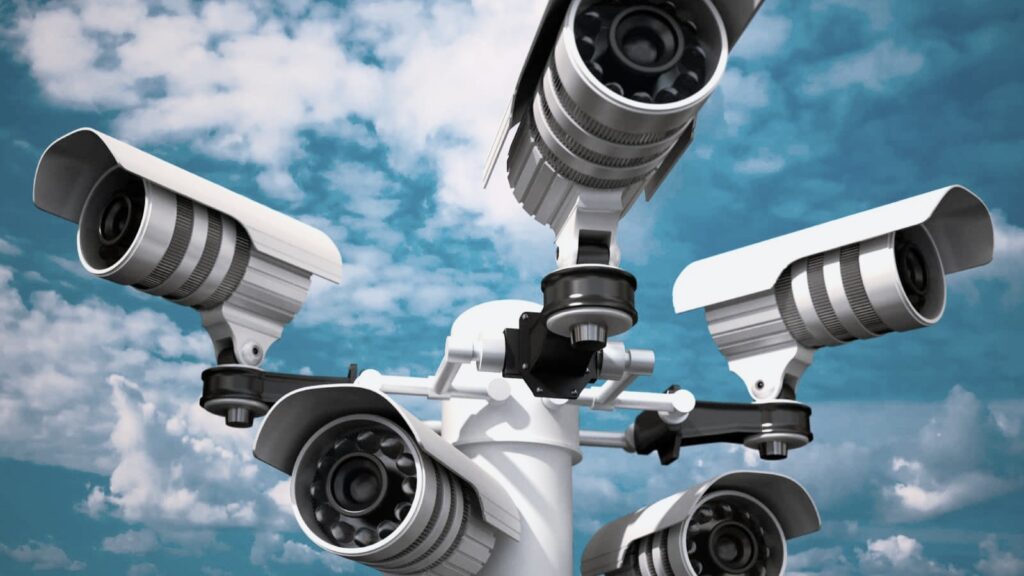
Cameras that collect information are devices used to record video, images, and data about
people, places, and activities. These cameras are found everywhere, from public streets and
stores to schools and private homes, and they collect information to help with safety, monitoring,
and evidence gathering. The use of camera systems has expanded quickly in recent years due
to improvements in technology and the increasing need for security in both public and private
spaces. While these cameras can make places safer and help respond to incidents more
effectively, they also raise important concerns about privacy, security, and ethical use.
Understanding the advantages and disadvantages of information collecting cameras helps
societies balance safety with individual rights.
Benefits of Information Collecting Cameras
One major benefit of cameras that collect information is deterrence of crime. When people
know they are being filmed, they are less likely to commit illegal acts such as theft, vandalism,
or violence. Security cameras in public areas act as a digital eye that watches continuously and
discourages unlawful behaviour, which can help lower crime rates and make spaces feel safer
for everyone [1].
In addition, these cameras help with emergency response and evidence collection. Cameras
can record real-time events and provide crucial video footage that can be used by law
enforcement or emergency responders to assess situations quickly. This recorded information
can also serve as evidence in legal cases, assisting police and courts in identifying suspects
and reconstructing events after a crime has occurred [3].
Another important benefit is remote monitoring and operational efficiency. Many modern
camera systems allow owners or authorities to view live footage from anywhere using internet
access. This means that property owners or security teams can keep track of large areas
without being physically present. Cameras with smart analytics and AI features can also detect
unusual behavior automatically and alert security personnel, which improves overall security
operations and reduces the need for constant human surveillance
[4].
Privacy and Ethical Problems
Despite their benefits, information-collecting cameras raise serious questions about privacy
and ethical rights. Constant recording of people in public and private spaces can feel like an
invasion of personal freedom, especially when individuals do not know who is recording them or
how the data is being used. People have less control over their personal information and
movements when cameras collect data continuously [2].
There have been real cases where camera systems were used in ways that broke privacy laws.
For example, a major retailer used facial recognition cameras that collected biometric data from
hundreds of thousands of customers without their consent, leading to legal action and privacy
concerns about how such data should be handled and protected [turn0news18]. In other places,
government or private systems have been criticized for collecting information used for purposes
beyond security, such as tracking non-criminal behaviour or emotions without consent
[2].
Another ethical problem is the potential for discrimination and biased use of camera data.
Cameras that use artificial intelligence for facial recognition or behaviour analysis can produce
incorrect results or treat people unfairly based on bias in their algorithms. If these systems are
used to make decisions about individual rights or legal issues, errors could have serious
consequences, such as misidentification or unjust suspicion [2].
Security and Technical Challenges
Cameras that collect information also come with technical and security challenges. One key
concern is that these systems can be hacked or breached, exposing sensitive video feeds and
personal data to unauthorized users. There have been instances where live camera feeds were
exposed online due to security vulnerabilities, which highlights the importance of robust
cybersecurity measures to protect surveillance systems and stored information.
In addition, storage and data management present challenges. Cameras generate large
volumes of footage that must be saved securely, which requires significant storage capacity and
careful planning. Storing this data also increases the risk that it could be stolen, manipulated, or
misused if it is not protected properly [3].
Another issue is technological dependence and reliability. Systems require regular
maintenance, software updates, and monitoring to function correctly. Technical failures, power
outages, or improper setup can reduce the effectiveness of cameras and lead to gaps in
surveillance coverage. Over-reliance on automated camera systems can also reduce human
attention in security monitoring, making organizations vulnerable when technology fails
[2].
Consideration
Cameras that collect information are powerful tools for enhancing safety, understanding
behaviour, and responding to incidents. They help law enforcement detect crime faster, provide
important evidence, and allow remote monitoring of large areas that would otherwise be difficul
to oversee manually. However, these benefits do not come without significant trade offs. The
collection of personal data, if not regulated and protected, can violate privacy rights and lead to
misuse or surveillance overreach. Security cameras also face technical vulnerabilities and
ethical questions about fairness, consent, and data governance. Balancing the use of camera
technology with robust privacy protections, transparency, and accountability is essential for
ensuring that these systems enhance safety without sacrificing civil liberties.
Reference
[1] “Security Surveillance in Public Spaces: Benefits, Drawbacks, and What,” ArcadianAI Blog,2025.
https://www.arcadian.ai/blogs/blogs/security-surveillance-in-public-spaces-benefits-drawbacks
ArcadianAI: AI Security Guards
[2] “Advantages and Disadvantages of Surveillance Cameras in Critical Infrastructure
Protection,” Senstar, 2023.
https://senstar.com/senstarpedia/advantages-and-disadvantages-of-surveillance-cameras-cip/
Senstar
[3] “The Pros and Cons Of CCTV Cameras,” BioEnergy Consult, 2024.
https://www.bioenergyconsult.com/pros-and-cons-of-cctv-cameras/ BioEnergy Consult
[4] “How Smart Cameras Raise Privacy Issues,” Trustable Tech, 2024.
https://www.trustabletech.org/how-smart-cameras-raise-privacy-issues/ trustabletech.org
About Author
