
Introduction
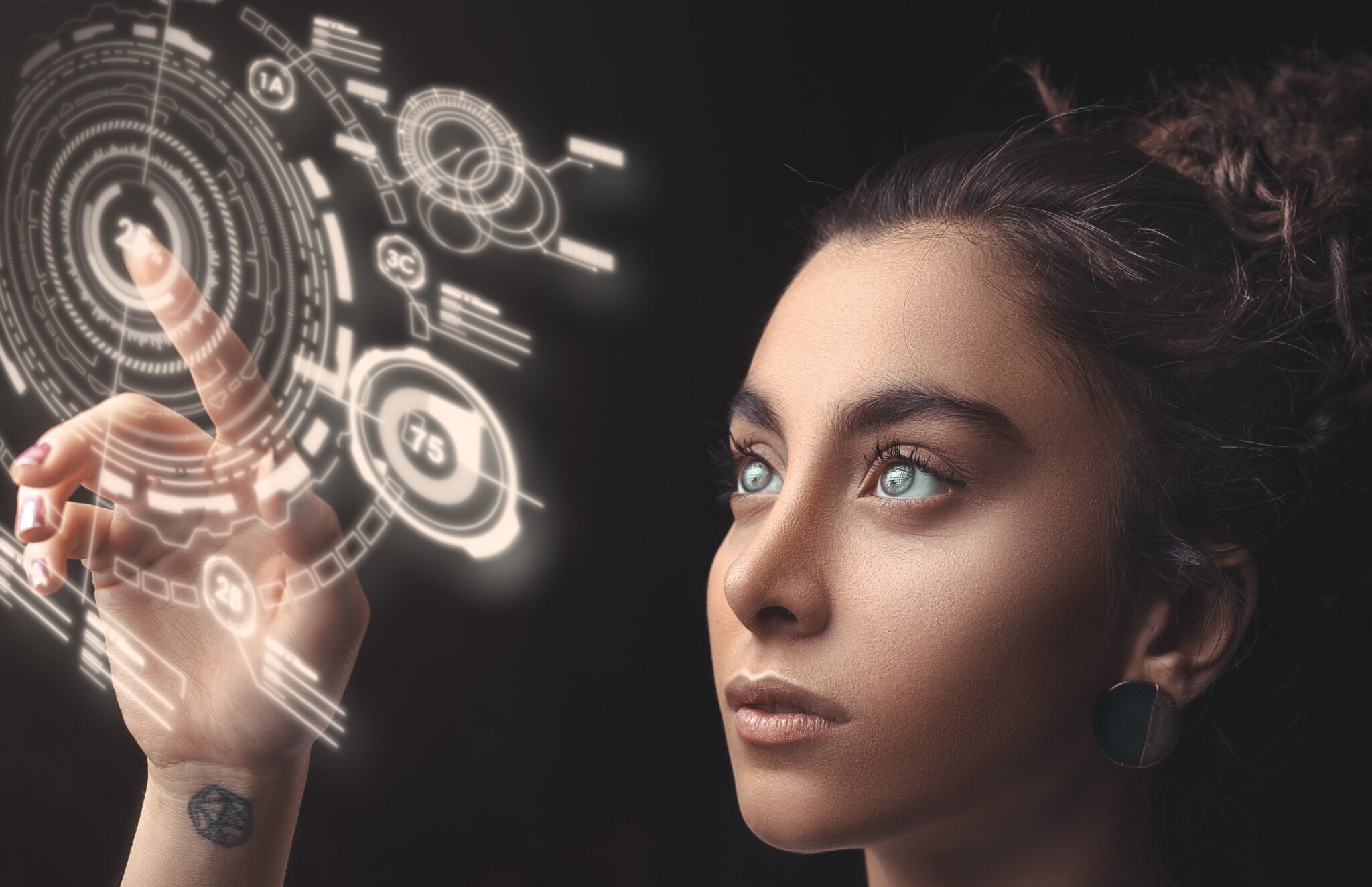
Today, we live in a world where AI itself (Artificial Intelligence) can produce pictures in 20205. For example, if you say “Draw a dog running in the park” to a computer, AI can understand what you say and create a picture. It is amazing, isn’t it? I have a question, not AI. Where paintings begin?
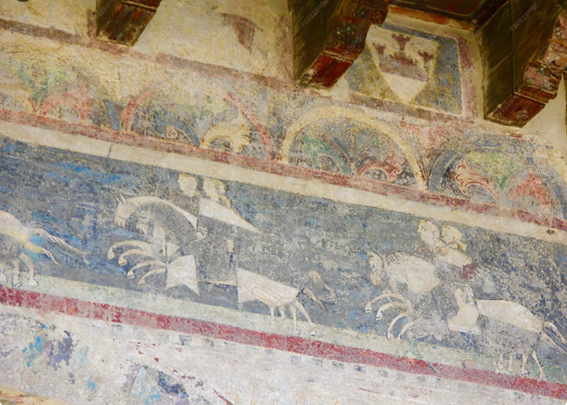
The history goes back about 30000 years ago when it is pre-historic era. The Chauvet Cave in France seems the beginning of art [1][2]. People painted some parts of scenes of animals and hunting on the walls. Theses paintings were the first way to share information without words for human beings.
Since long time ago, human have found the way to communicate with gestures, facial expressions, and paintings [3]. Human beings, including us, have been developing and improving how to transfer and understand information step by step.
Now, AI represents the newest level of evolution [1]. Just as ancient people used walls as their canvas to record their lives, we now use digital screens to create and share our ideas. From stone to screen, the tools have changed, but the purpose remains the same: to express ourselves and connect with others through the power of creativity and imagination. Similar with carve painting long time ago, AI shows how human continue to create new way to express and share information.
Sensory Memory
Since Ancient time, human beings have used their sense to understand the phenomena in the world. Although the senses have changed across the time, David Howes, whose study mainly focuses on sensory states that these sensory experiences have not been fixed, but “made” through cultural and historical process [4]. In the prehistoric era, when people had no words or writing ability, they handled information through their see, hear, and smells, for example, carve paintings, fire smells, animals foot sounds, and gestures [1]. For instance, the sound of animal showed them a danger was close. In addition, they understood emotions such as happy, sad, and anger by looking at facial expressions.
Human have interpreted their sense as information connecting these sensory signs with nature or themselves. This gradually became the first step of processing information. Therefore, the beginning of human information processing started with our sense, what we see, hear, and feel. These sensory experiences became the base of human communication and knowledge. As people learned to connect sounds and images with meaning, they gradually moved toward creating language and symbols to share their thoughts.
Inside to Outside
Around 50,000 to 100,000 years ago, language began to evolve, allowing human beings not only used their senses to understand the world but also shared experiences and thoughts through words [5]. Human have developed the ability to remember what they felt, and learnt. Language not only helped people communicate but also allowed them to connect short-term and long-term memory to preserve their knowledges [6].
Revolutionarily, human beings began to record their words on leaves, stones, clay. This was a birth of people’s ability to keep information outside of our brain. If carve paintings were the first revolution of sharing information, the process of writing and keeping information was the great evolution. This evolution enabled people to pass their knowledge and culture to future generations. Writing became a bridge that connected the past, the present, and the future, expanding how humans shared and kept information.
Human Thinking to Machine Thinking
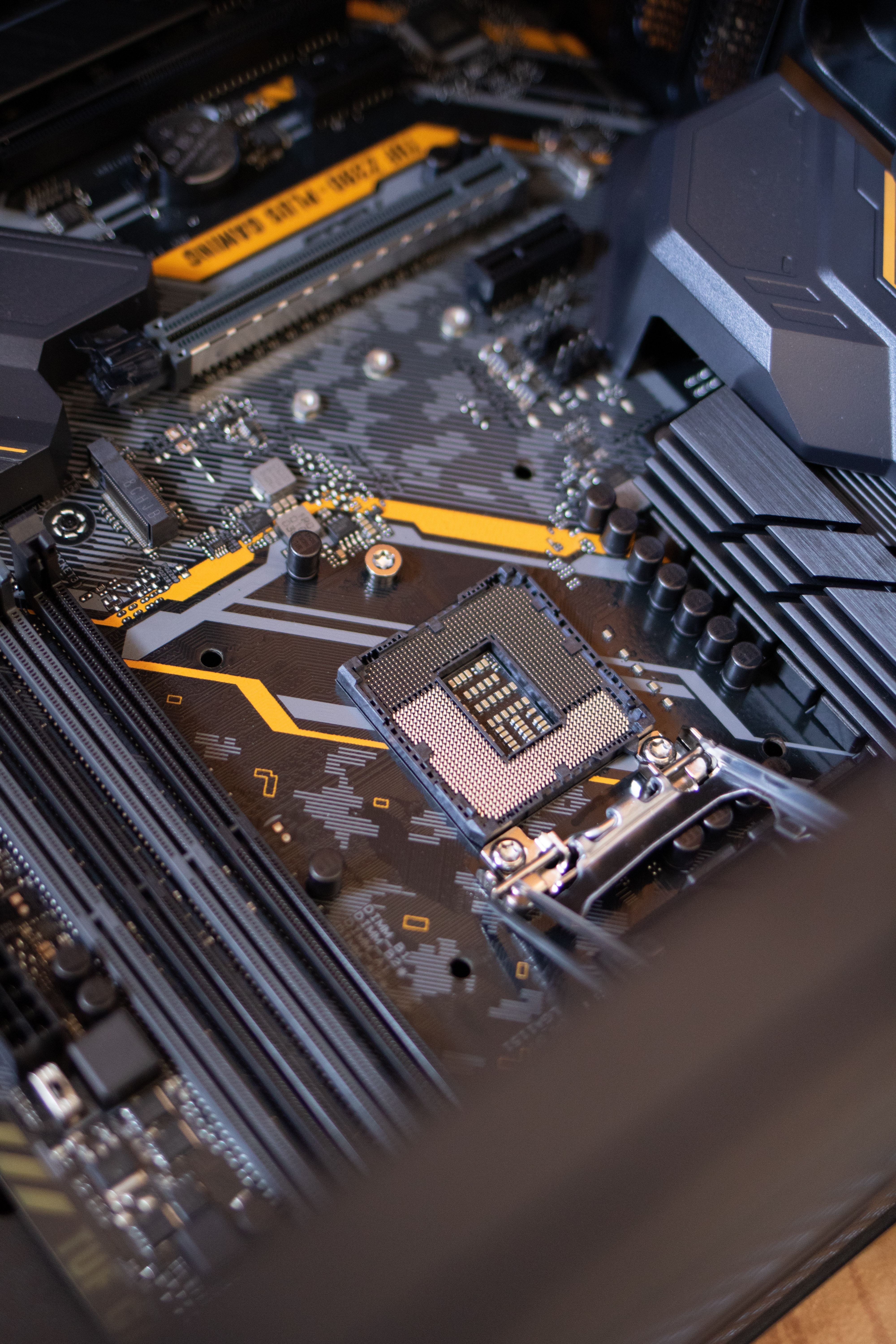
Now, in 2025, human beings are not only information processors, but also AI (Artificial Intelligence) can do it. AI means a computer that imitates human’s intelligence [7]. For example, AI can look at a picture and say “This is a dog”. However, AI cannot feel emotions the same as human beings because it has no longer “This is cute”.
Similar with AI, Machine Leaning allows computer to find patterns automatically and judge or expect based on collected data [7]. For example, once Machine learning collects many data of dogs, it can learn what dogs are, how they look like, and recognize in a new picture. AI created by human intelligence is the newest stage how human beings handle information processing from long history. In this way, AI reflects not only technology but also human creativity and learning. It shows how people’s desire to understand the world continues even through machines.
Consideration
From carve paintings painted from 30000 years ago to AI that creates pictures today, information process has been changed greatly. However, one thing that has never changed, which is human’s desire to express, understand, and connect with each other. Senses, language, and AI are totally different tools, but these purposes are the same even the tools changes.
In the future, AI or other intelligence may help people find new ways of communication. It is important to keep in mind that all of these evolution starts with human’s creativity. We, human beings, need to continue tell our story as a part of information processing.
As technology advances, we should remember that machines can process data, but only humans can give it meaning and emotion. The future of information will depend on how we combine our creativity with technology to build a more connected and understanding world.
References
[1] Testbook, “History of Communication – Know Evolution of Communication from Ancient to Modern Times”, History of Communication – Know Evolution of Communication System, 2025. 10. 16
[2] Aya Saito, “Evolutional Origin of the Arts”, Artificial Intelligence 33巻6号, p. 754
[3] Peter A, Andersen, “In Different Dimensions: Nonverbal Communication and Culture”, unpublished class handout, Overview of Intranational Communication, Miyazaki International University, 2025
[4] David Howes,
“Prologue: A Short History of the History of the Senses as a Field of Study, from Montreal to Mar del Plata”, Sensory Studies, 2025. 10.17
[5] Takashi Mizuguchi, “言語の起源と身振り -進化と発達の研究知見から-”,
academic paper, vol.16_1-9.pdf, 2025. 10. 17
[6] “言葉があったから人類は繁栄した──文明・思考・脳が進化した“言語の奇跡”とは?”, N-Flexo vlog, 2025. 10. 13, 言葉があったから人類は繁栄した──文明・思考・脳が進化した“言語の奇跡”とは?, 2025, 10, 17
[7] “Machine Learning VS. Artificial Intelligence”, Geeks for Geeks, 2025, 09, 15, Machine Learning Vs. Artificial Intelligence – GeeksforGeeks, 20205, 10, 17
About Author
